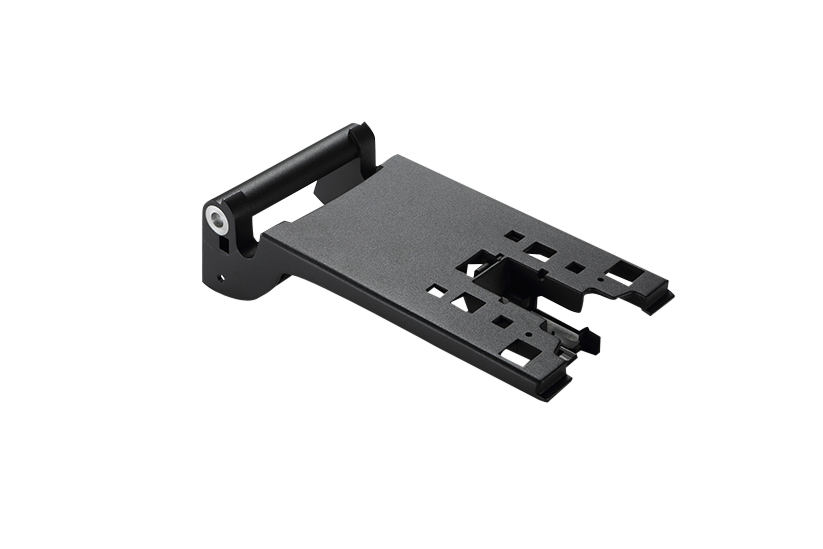
Friction stir welding aluminum casting housing for electric vehicle
Product Details
Advanced Joining: FSW Friction Stir Welding for Hermetic Sealing
What is FSW?
Friction Stir Welding (FSW) is a solid-state welding process that joins aluminum parts without melting the base material.
A rotating tool with a specially designed pin is pressed into the joint line, generating heat through friction. The plasticized material is stirred together, creating a defect-free, dense weld with superior mechanical properties.
FSW + Die Casting: One-Stop Production
Kingrun combines die casting and FSW in-house, eliminating the need for a separate welding vendor. Our integrated workflow:
- Die Casting — ADC12, A380, A360, ENAC43400,ENAC46000 alloys produced in-house (280–850 tons)
- CNC Machining — Precision post-machining for tight tolerances
- FSW Welding — Solid-state joints with no melting defects
- Helium Leak Testing — 100% leak rate verification for sealed assemblies
FSW vs. Traditional Welding
| FSW | MIG/TIG Fusion Welding | |
| Process Type | Solid-state (no melting) | Fusion (melting base metal) |
| Porosity | None | Common |
| Heat Distortion | Minimal | Significant |
| Weld Strength | 80–100% of base metal | 60–80% of base metal |
| Repeatability | High | Operator-dependent |
| Helium Leak Rate | ≤1×10⁻⁹ mbar·L/s achievable | Typically higher |
Why FSW for Your Die Cast Parts?
FSW is an advanced solid-state welding technology that joins aluminum components without melting the base material. Compared with conventional fusion welding, FSW offers significant advantages for aluminum die-cast components, particularly those requiring reliable sealing and precision assembly.
1. Reliable Sealing Performance
FSW creates high-integrity joints suitable for applications requiring airtight or liquid-tight sealing, including liquid cooling systems, inverter housings, motor housings, and other sealed enclosures. Kingrun's helium leak testing capabilities help verify sealing performance and ensure components meet specified leakage rate requirements.
2. Reduced Porosity Risk
As a solid-state welding process, FSW avoids the molten weld pool associated with conventional fusion welding, significantly reducing the risk of weld porosity caused by gas entrapment. With proper material selection and process control, FSW can produce dense, consistent weld joints with improved integrity.
3. Minimal Thermal Distortion
FSW operates below the melting point of the base material, reducing heat input and minimizing thermal distortion. This helps preserve dimensional accuracy, maintain critical tolerances, and reduce the need for post-weld rework.
4. High Joint Integrity
FSW produces strong, reliable joints with excellent mechanical properties when appropriate materials and welding parameters are selected. Its solid-state joining mechanism makes it suitable for components exposed to vibration, mechanical stress, and demanding operating conditions.
5. Consistent Quality for Mass Production
With automated FSW equipment and controlled welding parameters, Kingrun supports repeatable production and consistent joint quality. Our integrated manufacturing process enables effective quality control from casting and machining through welding, leak testing, and final assembly.
Regarding application scope, FSW is widely used in the automotive industry, such as in car bodies, hoods, bumpers, and aluminium rims. It is also commonly used in the semiconductor industry's ship hulls and decks, train bodies and bottoms, and cooling plates.
Automotive Industry:
Used to manufacture automobile bodies, engine hoods, bumpers, aluminium rims, and other parts to improve product strength and durability.
Aerospace Industry:
Used in the manufacture of aircraft and rocket structures, such as fuselages, decks, etc., as well as in the manufacture of cooling plates in the semiconductor industry.
Rail Transit:
Used in manufacturing structural parts such as train bodies and chassis, providing lightweight and high-strength solutions.
Electronics Industry:
Used for welding radiators, cooling plates, etc.
DFM Description of ALUMINUM DIE CASTING
Design for Manufacturing (DFM) is a term often used in engineering. It refers to the process of optimizing production to
make it as simple and cost-effective as possible. DFM focuses heavily on the manufacturing methods and processes used.
One of the main advantages of DFM is that it allows problems with the production method to be detected and solved early on
in the design phase. At this stage, issues are much less expensive to resolve than when they are discovered during or after
the production run. Applying DFM techniques allows for a reduction in the costs of manufacturing while maintaining a good or
better standard of quality.
In order to optimize the production process of aluminum die casts, the following objectives should be targeted:
1.Use the least amount of casting material possible,
2.Ensure that the part or product will easily come out of the die,
3.Minimize the solidification time for a casting,
4.Reduce as much as possible the number of secondary operations,
5.Ensure that the final product will perform as required.
Our factory view
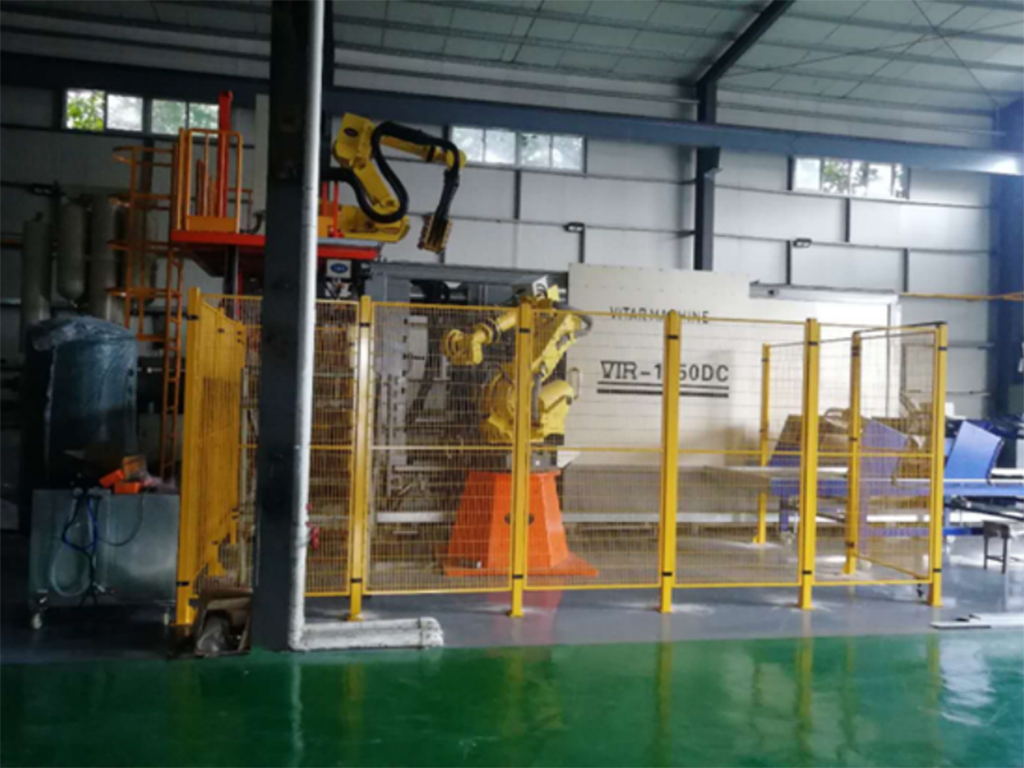
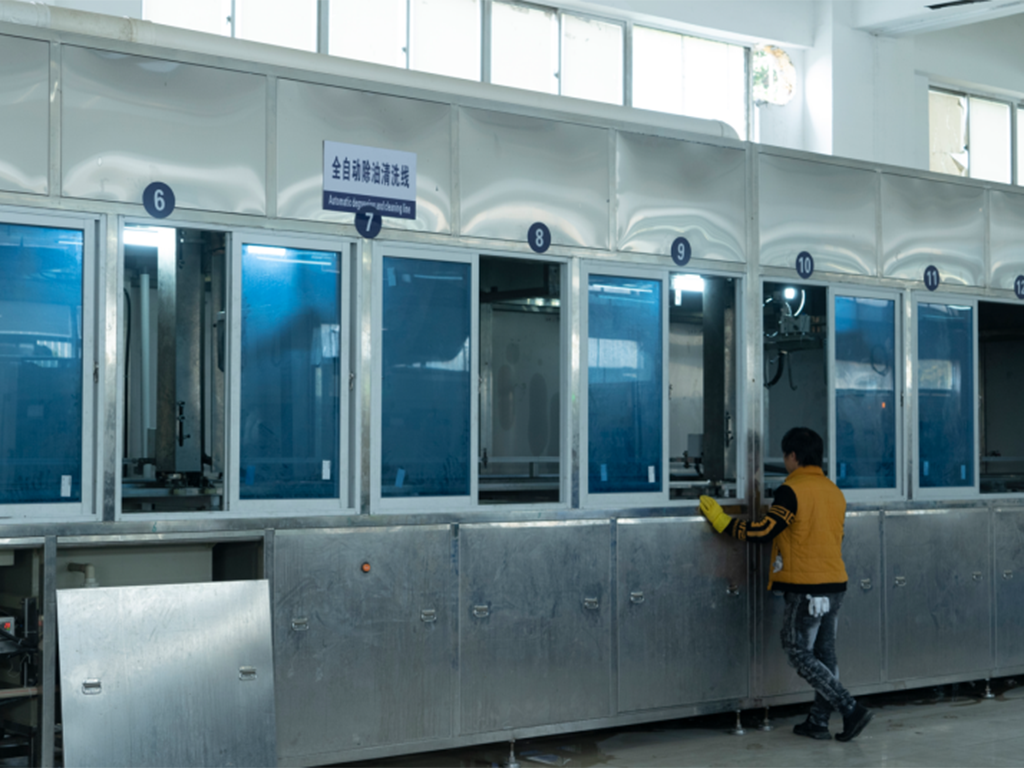
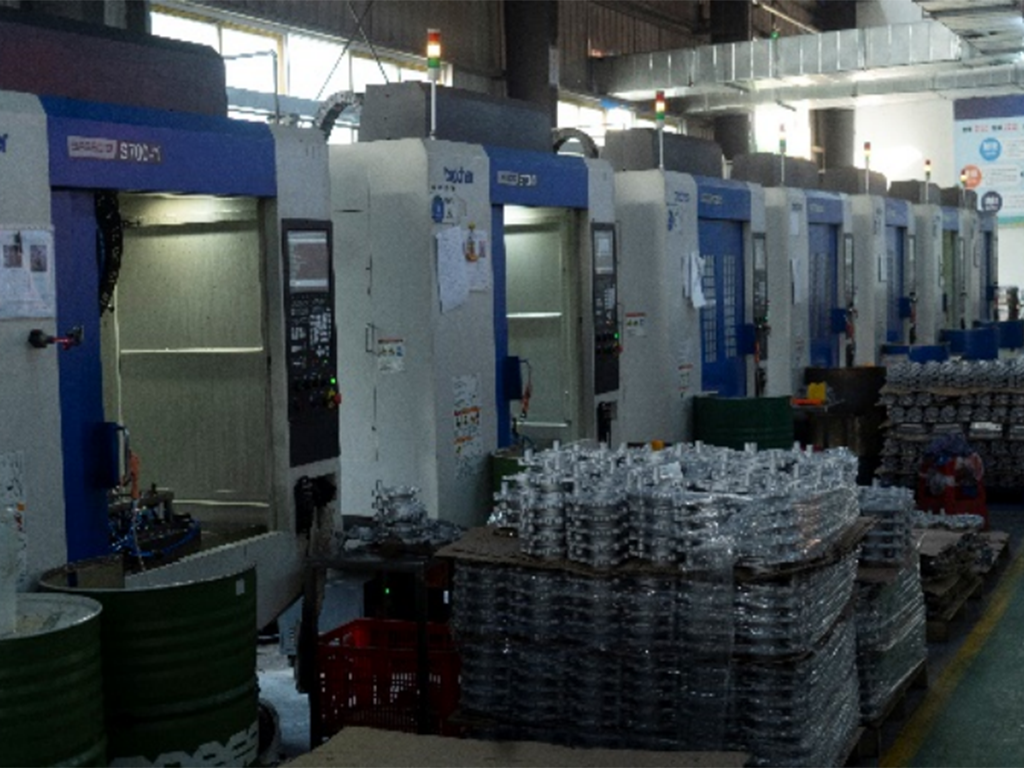
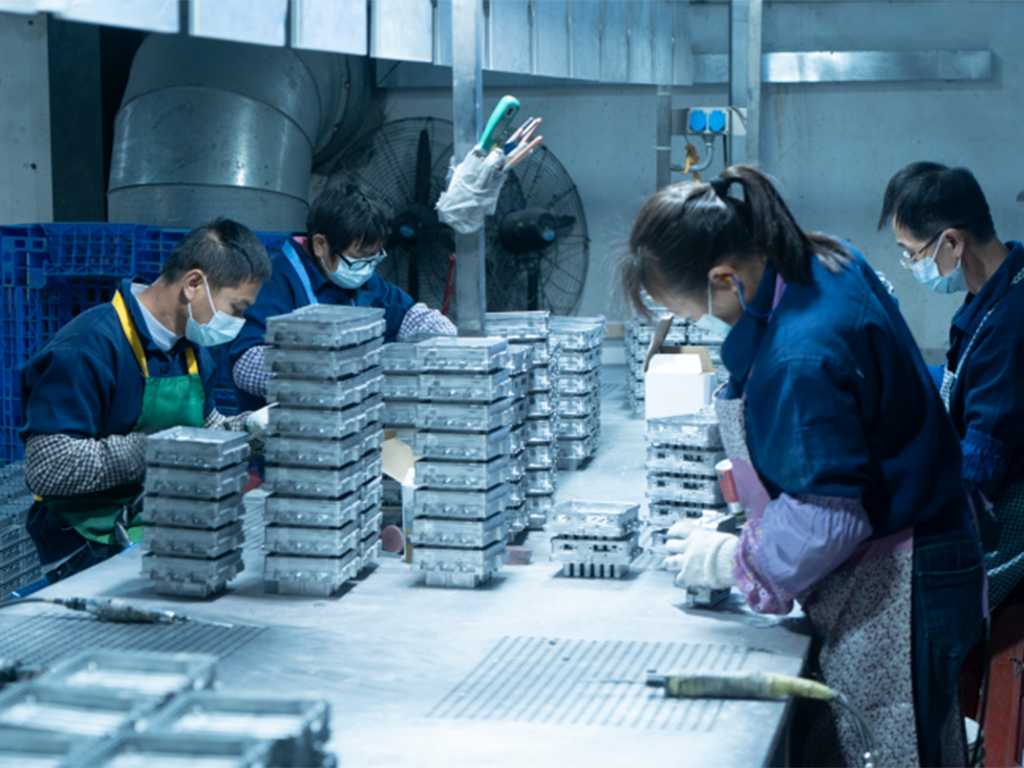
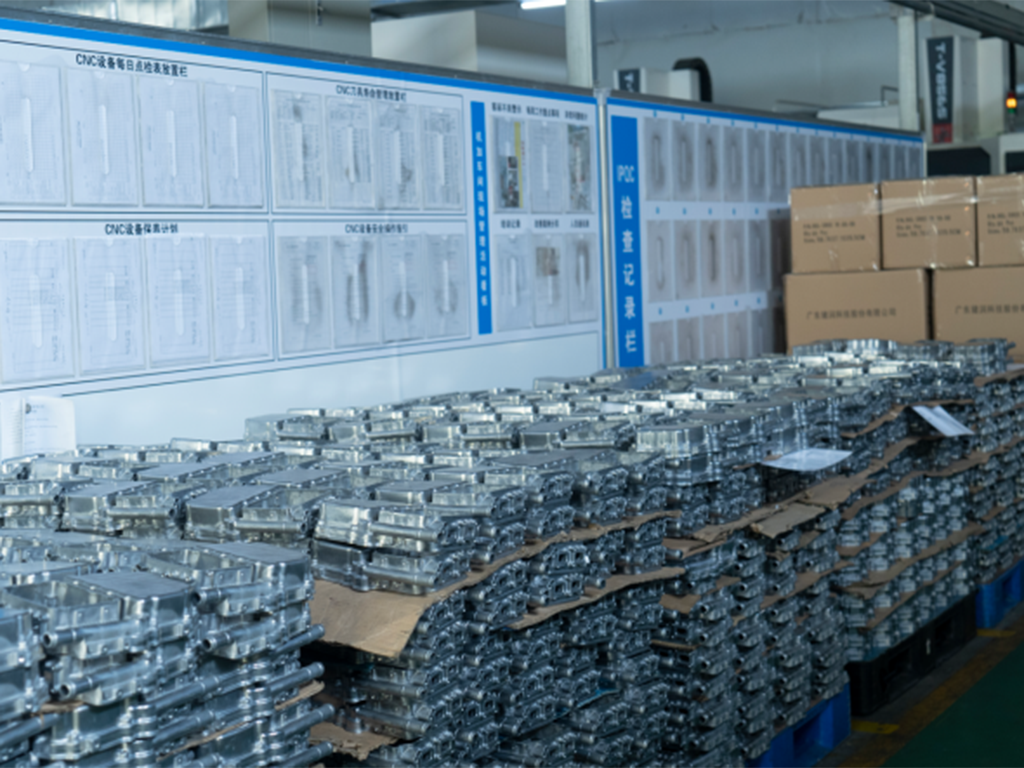
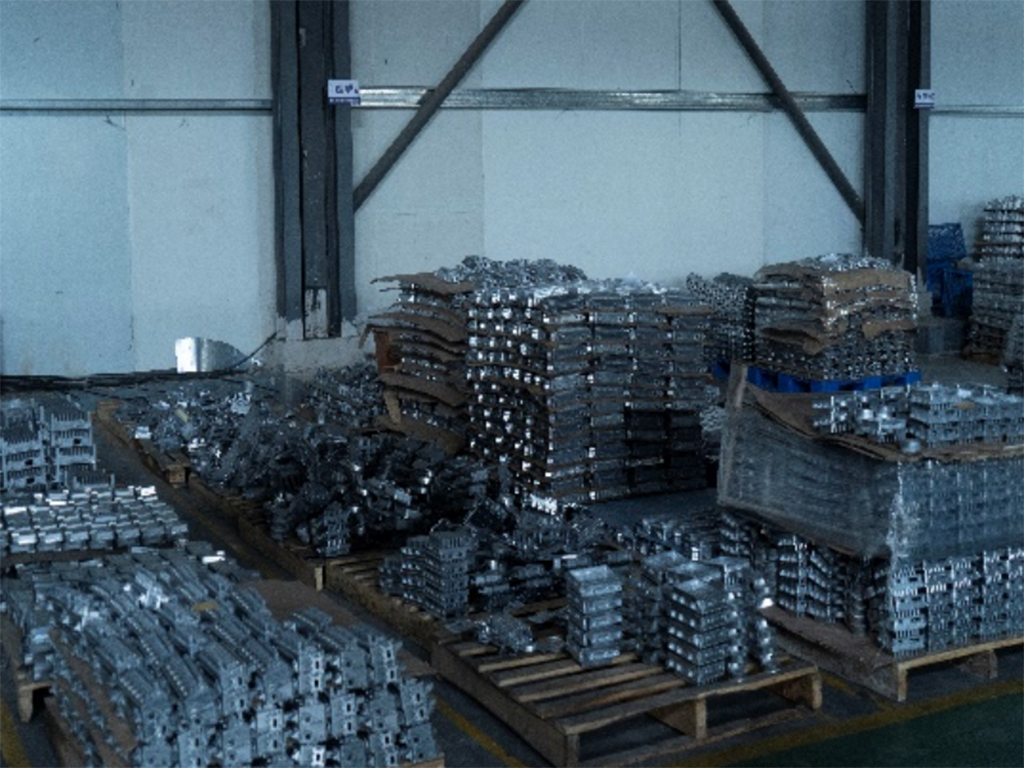
We have full services except above processing ,we do the surface treatment in house including sandblasting ,chorme plating ,powder coating etc . our goal is to be your preferred partner , welcome to send us the inquiry at info@kingruncastings.com